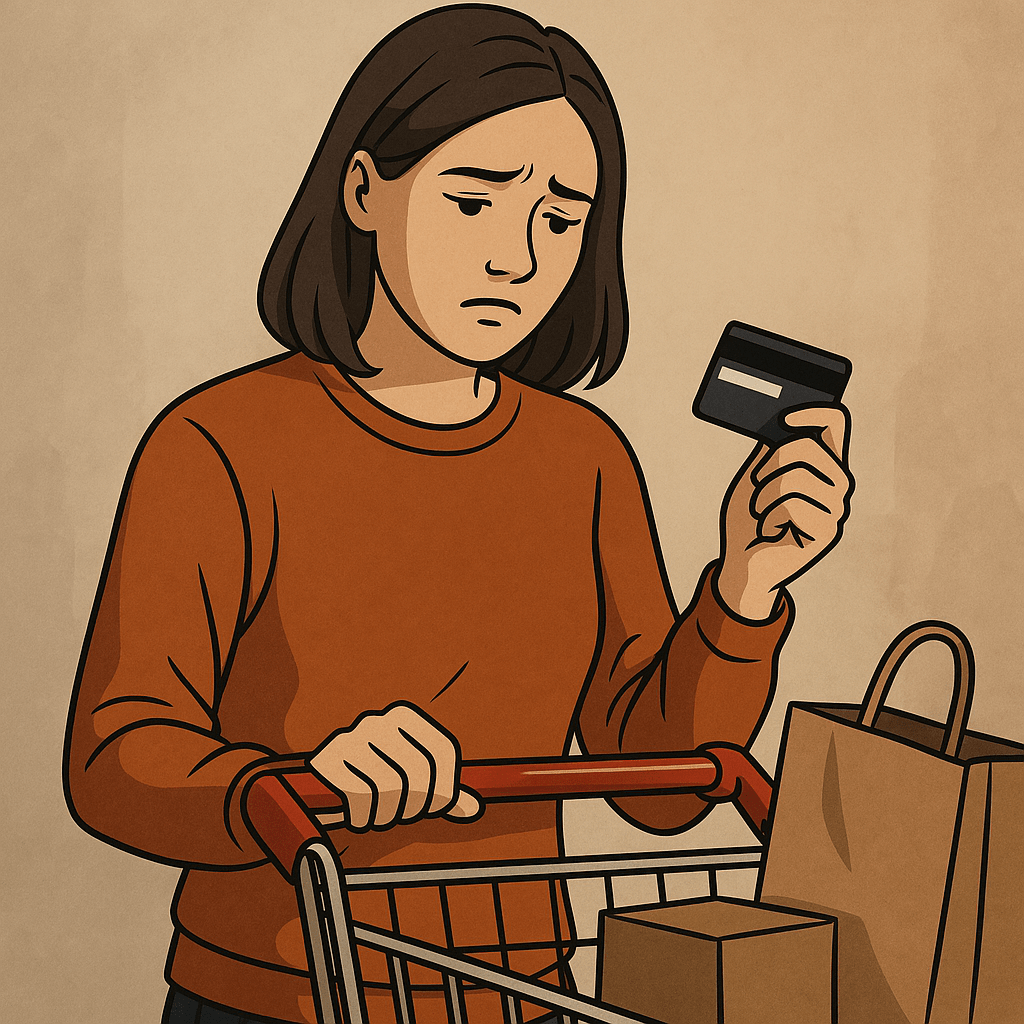
Have you ever bought something you didn’t really need just because you felt sad, bored, or stressed?
You’re not alone — and you’re not broken. You’re experiencing emotional spending, one of the biggest hidden threats to any personal budget.
Let’s explore what emotional spending is, how to spot it early, and how to take control without feeling deprived.
🧠 What Is Emotional Spending?
Emotional spending happens when you buy something as a way to manage your feelings, not because you actually need or planned for it.
It might show up as:
- “I had a rough day, I deserve this.”
- “I feel overwhelmed — let’s scroll and add to cart.”
- “I’m bored… maybe just a coffee/snack/new bag.”
The problem? These decisions add up and quietly destroy your budget — often without you noticing until it’s too late.
⚠️ Signs You’re Emotionally Spending
- You often regret purchases after the fact
- Your budget looks perfect on paper, but your bank account says otherwise
- You “treat yourself” when stressed, anxious, or celebrating — and it’s not part of your plan
- Your closet (or app library) is full of “just one more” purchases
💡 How to Take Back Control
1. Create a Pause Rule
Before buying anything non-essential, wait 24 hours.
Impulse fades — clarity arrives.
2. Know Your Triggers
Start tracking your emotional state when you shop. Do you always buy when you’re tired? Bored? Feeling underappreciated?
3. Build a Budget That Includes Guilt-Free Spending
Use Zero-Based Budgeting or the Cash Envelope System to allocate a fixed “fun money” amount each month. That way you can enjoy small pleasures without sabotaging your goals.
4. Replace the Habit, Don’t Just Resist
If shopping helps you soothe anxiety — what else could you do instead? Try:
- A 10-minute walk
- Journaling or voice notes
- Talking to a friend
- Making a cup of tea or going tech-free for 30 minutes
💰 Your Budget Is Not Just Math — It’s Emotional
Money is tied to how we feel about security, identity, control, and freedom.
Understanding your emotional spending is not a weakness — it’s a power move.
And if you want to make budgeting feel less like restriction and more like relief, check out:
👉 Mastering Your Personal Budget: A Step-by-Step Guide to Financial Stability
 Smart Finance Hub
Leave a comment